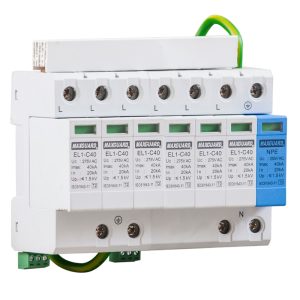
Ensuring the safety and longevity of home electronics involves a comprehensive approach to surge protection. Power surges can occur unexpectedly and have the potential to damage sensitive electronics, leading to costly replacements and repairs. This guide will delve into the specifics of selecting and implementing effective surge protection measures for your home.
Understanding Surge Protection
Surge protection devices (SPDs) are essential for safeguarding electronics from voltage spikes. These devices regulate the power supply to your electronics, diverting excess voltage away from them. It's crucial to select SPDs with the right specifications to match your home's needs.Key Specifications of SPDs
- Joule Rating: This indicates the energy absorption capacity of the SPD. For home electronics, a joule rating of at least 600-2000 Joules is advisable for optimal protection.
- Clamping Voltage: The voltage level at which the SPD starts to divert excess energy. Lower clamping voltages, typically around 400V or less, offer better protection.
- Response Time: SPDs must react quickly to voltage spikes. A response time of 1 nanosecond or less ensures immediate protection against surges.
Strategies for Effective Surge Protection
Layered Protection Approach
Implementing a layered surge protection strategy involves placing SPDs at various points in your home's electrical system, from the service entrance to individual outlets. This approach not only protects against external surges but also internal surges generated by home appliances.- Service Entrance Protection: Install a whole-house surge protector with a minimum energy dissipation capacity of 10,000 Joules and a clamping voltage suitable for your home's electrical system.
- Point-of-Use Protection: Use surge protector strips or wall outlets with built-in surge protection for directly connected electronics. Ensure these devices have a joule rating suitable for the connected devices, typically between 600 and 2000 Joules.